pony diffusion prompt guide
Pony Diffusion Prompt Guide: A Comprehensive Overview (Updated 03/30/2026)
Welcome to the ultimate guide for crafting stunning visuals with Pony Diffusion! This resource, updated today – 03/30/2026 – explores the art of prompt engineering within this exciting AI realm, unlocking boundless creative potential.
Pony Diffusion represents a significant leap forward in AI-driven image generation, specifically tailored for creating captivating pony-themed artwork. Emerging within platforms like PicLumen, a leading free AI image generator, it empowers users to translate imaginative concepts into visually striking realities. This model leverages the power of prompt engineering – a crucial technique where detailed task descriptions are embedded directly within the input text.
The core principle revolves around communicating your vision to the AI. The more precise and descriptive your prompts, the more accurately the model will interpret and realize your desired outcome. This isn’t simply about typing keywords; it’s about crafting a narrative that guides the AI’s creative process. The rapid development in artificial intelligence has made this level of image creation accessible to everyone, opening doors to unprecedented artistic exploration.
What is Pony Diffusion V6?
Pony Diffusion V6 is the latest iteration of this powerful AI model, now available for PicLumen users as of March 30th, 2026. This version builds upon previous releases, offering enhanced capabilities in image quality, detail, and adherence to complex prompts. It represents a substantial improvement in understanding nuanced requests, allowing for greater control over the final artwork.
V6 boasts refined algorithms that interpret prompt engineering more effectively, translating textual descriptions into visually coherent and aesthetically pleasing pony images. Users will notice a marked difference in the realism and artistic flair achievable with this update. It’s designed to minimize artifacts and errors, delivering consistently high-quality results. The advancements unlock new possibilities for both novice and experienced AI artists, expanding the creative horizons within the Pony Diffusion ecosystem.
The Importance of Prompt Engineering
Prompt engineering is absolutely crucial when working with Pony Diffusion V6, and AI image generation in general. It’s the art of crafting precise textual instructions that guide the AI towards creating your desired image. Simply put, the quality of your prompt directly correlates to the quality of the output. The description of the task is embedded within the input text, dictating every aspect of the generated artwork.
Effective prompt engineering isn’t just about listing keywords; it’s about structuring them logically and utilizing techniques like weighting and negative prompts. This allows you to refine the image, eliminate unwanted elements, and emphasize specific details. Mastering this skill unlocks the full potential of Pony Diffusion, transforming vague ideas into stunning, personalized creations. The rapidly evolving world of AI demands a proactive approach to prompt design.
Core Prompting Techniques
Let’s dive into the foundational techniques! We’ll explore structuring prompts with subjects, styles, and details, alongside the power of negative prompts for precise refinement.
Basic Prompt Structure: Subject, Style, and Details
Constructing effective prompts hinges on a clear, logical structure. Begin with the subject – in this case, typically a pony or related character. Be specific! Instead of “pony,” consider “Arabian pony,” or “Pegasus with flowing mane.” Next, define the style. Do you envision a realistic painting, a vibrant cartoon, or a detailed illustration? Keywords like “photorealistic,” “anime style,” or “watercolor painting” are crucial.
Finally, layer in details. This is where you bring your vision to life. Describe the pony’s pose, expression, clothing, and surrounding environment. For example: “A happy Arabian pony galloping through a field of wildflowers, bathed in golden sunlight.” Remember, the input description directly influences the output, so be as descriptive as possible. Experiment with different combinations to discover what works best for your desired aesthetic.
Utilizing Negative Prompts for Refinement
Negative prompts are a powerful tool for refining your Pony Diffusion creations. They tell the AI what not to include in the image, helping to eliminate unwanted artifacts or characteristics. Think of them as a filter, steering the generation process away from undesirable outcomes. Common negative keywords include “bad anatomy,” “deformed,” “mutated limbs,” “extra digits,” and “poorly drawn hands.”
For example, if you consistently get images with blurry details, add “blurry, low resolution” to your negative prompt. Experiment with different negative terms to address specific issues you encounter. A well-crafted negative prompt can dramatically improve the quality and consistency of your generated images, ensuring they align more closely with your artistic vision. Don’t underestimate their impact!
Weighting Keywords for Emphasis
Controlling the influence of individual keywords is crucial for achieving precise results in Pony Diffusion. Keyword weighting allows you to tell the AI which elements of your prompt are most important. This is typically done using parentheses to increase weight and brackets [] to decrease it. For instance, (detailed eyes:1.2) emphasizes detailed eyes, making them more prominent in the generated image.
Conversely, [simple background:0.8] de-emphasizes the background, suggesting a less complex scene. Experiment with different weighting values to fine-tune the composition and focus of your images. Remember that excessive weighting can sometimes lead to unexpected results, so subtle adjustments are often best. Mastering keyword weighting unlocks a new level of control over your creations.
Advanced Prompting Strategies
Dive deeper into Pony Diffusion’s capabilities! Explore techniques like LoRA models, detailed anatomy descriptions, artist specification, and masterful lighting control for exceptional results.
Character Consistency and LoRA Models
Maintaining a consistent character appearance across multiple generations is a common challenge in AI image creation. This is where LoRA (Low-Rank Adaptation) models become invaluable tools within Pony Diffusion. LoRA models are smaller, focused files trained to subtly alter the base model’s output, allowing you to inject specific character features – like a unique mane style, eye color, or even subtle facial markings – and reliably reproduce them.
Instead of painstakingly describing every detail in each prompt, you can simply activate the LoRA model. This dramatically improves consistency and saves significant prompt space. Experiment with different LoRA weights to fine-tune the influence of the model. Higher weights mean a stronger effect, while lower weights offer a more subtle change. Remember to research and utilize community-created LoRA models for popular characters or styles, streamlining your workflow and achieving professional-looking results.
Detailed Anatomy and Pose Descriptions
Achieving dynamic and anatomically correct poses requires precise prompting. Don’t rely on vague terms like “standing” or “running.” Instead, specify joint angles, body curvature, and weight distribution. For example, instead of “pony running,” try “pony galloping, front legs extended, hind legs tucked, mane flowing, dynamic pose.”
Detailed anatomical descriptions are equally crucial. Mention specific muscle definition (“well-defined shoulder muscles”), hoof shape (“polished hooves”), or ear position (“ears perked forward”). Utilize art terminology like “contrapposto” for elegant poses. Consider referencing anatomical diagrams for accuracy. The more descriptive you are, the better Pony Diffusion can interpret your vision, resulting in more believable and visually compelling pony images. Remember, clarity is key to overcoming the AI’s inherent limitations.
Specifying Artists and Art Styles
Leveraging artist and style references dramatically influences the final image aesthetic. Pony Diffusion responds well to prompts including renowned artists like “art by Alphonse Mucha” for Art Nouveau, or “art by Greg Rutkowski” for fantasy landscapes. Experiment with stylistic keywords: “watercolor,” “oil painting,” “digital art,” “photorealistic,” or “anime style.”
Combining artists can yield unique results – “art by Artgerm and WLOP” blends realism with dynamic lighting. Be mindful of copyright; use artist names for style imitation, not direct replication. Explore art movements like Impressionism or Cubism. Specificity is vital; “a pony in the style of Van Gogh’s Starry Night” is far more effective than simply “Van Gogh style;” This technique unlocks a vast spectrum of artistic expression within Pony Diffusion.
Mastering Lighting and Composition
Lighting and composition are crucial for impactful imagery. Utilize keywords like “golden hour,” “ambient lighting,” “rim lighting,” “volumetric lighting,” or “dramatic shadows” to sculpt the mood. Specify light sources: “sunlight filtering through trees,” or “moonlight reflecting on water;”
Compositional terms like “wide shot,” “close-up,” “Dutch angle,” “rule of thirds,” and “leading lines” guide the AI’s framing. Experiment with “dynamic composition” for action scenes. Consider depth of field: “shallow depth of field” isolates the subject, while “deep depth of field” showcases the environment. Combining these elements – “a pony, golden hour, rule of thirds, shallow depth of field” – creates visually compelling and professional-looking results within Pony Diffusion.
Specific Pony Diffusion Keywords & Concepts
Dive into specialized terms! Explore “quality” keywords, pony breeds, clothing prompts, and environment details to refine your creations and unlock unique artistic styles.
Understanding “Quality” Keywords (e.g., masterpiece, best quality)
Quality keywords are fundamental to achieving high-resolution, detailed images within Pony Diffusion; Terms like “masterpiece,” “best quality,” “ultra-detailed,” “8k,” and “highly detailed” signal to the AI model the desired level of visual fidelity. However, simply including these isn’t always enough; strategic placement and combination are key.
These keywords act as boosters, influencing the model to prioritize intricate details and overall aesthetic appeal. Experiment with layering them – for example, “masterpiece, best quality, ultra-detailed” – to see how the output changes. Remember that excessive use can sometimes lead to unintended artifacts or over-saturation, so balance is crucial.
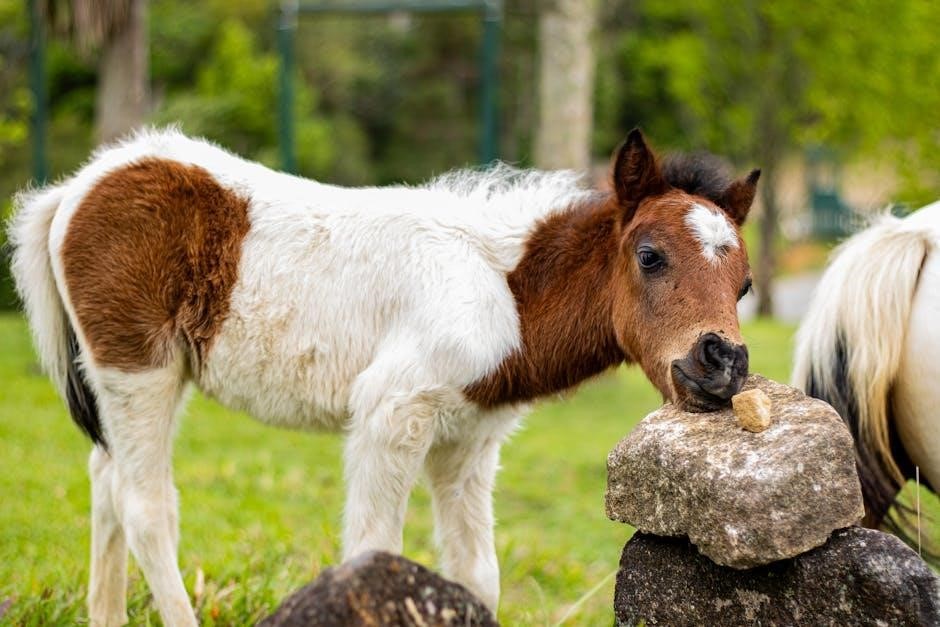
Consider pairing quality keywords with specific artistic styles or artists (discussed elsewhere in this guide) to further refine the image generation process. Understanding their impact is vital for consistently producing exceptional results.
Common Pony Breed Keywords (e.g., Arabian, Pegasus, Unicorn)
Specifying pony breeds dramatically influences the generated image’s appearance. Keywords like “Arabian,” “Thoroughbred,” “Shetland pony,” “Pegasus,” and “Unicorn” provide the AI with distinct physical characteristics to incorporate. “Pegasus” will, naturally, add wings, while “Unicorn” will generate a horn. Be mindful of combining breeds – the results can be unpredictable, but potentially rewarding!
Beyond these common examples, explore less frequent breeds for unique results. Consider adding descriptive terms alongside the breed – for example, “powerful Arabian stallion” or “graceful Shetland pony mare.”
Remember that the AI interprets these keywords based on its training data; experimentation is key to understanding how each breed translates visually within Pony Diffusion. Combining breed keywords with detailed anatomy prompts yields the most accurate and compelling results.
Clothing and Accessories Prompts
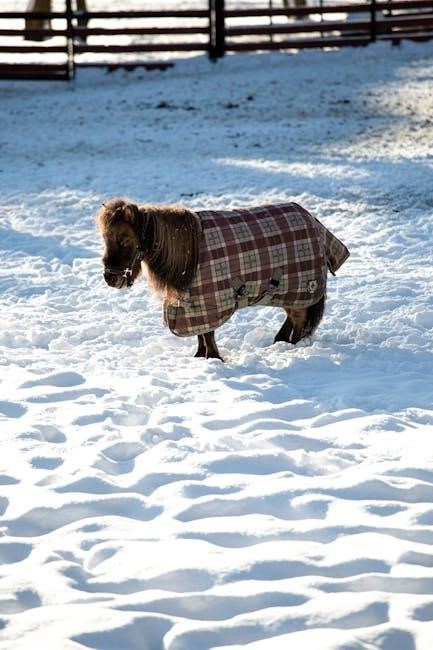
Adding clothing and accessories elevates Pony Diffusion creations beyond basic pony images. Be specific! Instead of “dress,” try “flowing silk gown, emerald green, gold embroidery.” Detail is crucial. Keywords like “saddle,” “bridle,” “halter,” “blanket,” “jewelry,” and “hats” all contribute to a richer visual narrative.
Describe materials – “leather armor,” “velvet cloak,” “silver necklace.” Consider historical periods for inspiration: “medieval tunic,” “Victorian riding habit.” Don’t forget smaller details like “flowers in mane” or “ribbons in tail.”
Experiment with combinations! A “cyberpunk pony with neon goggles and a leather jacket” will differ vastly from a “royal pony with a jeweled crown and silk cape.” Remember to use negative prompts to avoid unwanted accessories.
Background and Environment Prompts
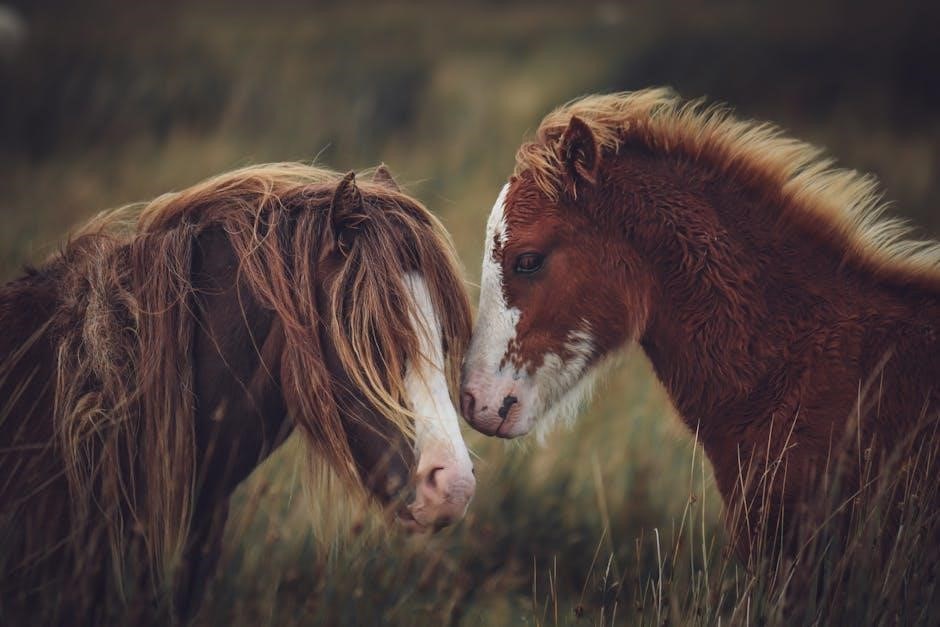
Transform your pony’s world with detailed background and environment prompts. Simply stating “forest” is insufficient; aim for “lush, ancient forest, dappled sunlight, moss-covered trees, sparkling stream.” Consider the atmosphere – “misty mountains,” “sun-drenched meadow,” “stormy beach.”
Specify time of day: “golden hour,” “moonlit night,” “dawn.” Include environmental details like “falling leaves,” “snowflakes,” or “cherry blossoms.” Think about the overall scene: “pony grazing in a field of wildflowers,” “pony galloping across a desert landscape.”
Utilize artistic styles for backgrounds: “impressionistic forest,” “photorealistic mountains.” Don’t be afraid to combine elements – “cyberpunk city skyline with a rainbow.” Remember negative prompts to exclude unwanted background features.
Troubleshooting and Common Issues
Encountering problems? This section addresses frequent artifacts, errors, and optimization techniques for PicLumen, ensuring smooth image generation and maximizing your Pony Diffusion experience.
Addressing Common Artifacts and Errors
Dealing with imperfections is part of the AI art process. Common issues in Pony Diffusion, like distorted anatomy, extra limbs, or blurry details, often stem from ambiguous prompts or insufficient negative prompting. Experiment with adding more descriptive keywords to clarify your vision.
Negative prompts are crucial! Utilize them to explicitly exclude unwanted elements – for example, “bad anatomy, deformed, mutated, blurry” – to refine your results. If you consistently encounter specific artifacts, add them to your standard negative prompt.
Consider the model’s limitations. Pony Diffusion V6, while powerful, isn’t flawless. Complex scenes or highly detailed requests may require iterative refinement. Adjusting the CFG scale and sampling steps can also impact image quality and reduce errors. Don’t hesitate to restart the generation process!
Optimizing Prompts for PicLumen
PicLumen’s interface requires a slightly tailored approach to prompting. While core principles remain the same, understanding its specific strengths is key. Begin with concise, yet descriptive prompts, focusing on the essential elements of your desired image. PicLumen excels at interpreting clear instructions.
Leverage PicLumen’s built-in features. Experiment with different samplers and step counts to find the optimal settings for Pony Diffusion V6. Pay attention to the platform’s recommended CFG scale range for best results.
Iterate and refine. PicLumen’s fast generation speeds allow for rapid experimentation. Don’t be afraid to tweak your prompts and settings based on initial outputs. Remember, prompt engineering is an iterative process – continuous improvement is vital!
Resources and Further Learning
Embark on a continuous journey of discovery! The Pony Diffusion community is vibrant and constantly evolving. Explore dedicated online forums and Discord servers to connect with fellow enthusiasts, share prompts, and learn from experienced users. These platforms offer invaluable insights and troubleshooting assistance.
Stay updated with the latest model releases and techniques. Regularly check PicLumen’s official website and documentation for updates on Pony Diffusion V6 and new features. Follow prominent AI artists and researchers on social media to stay abreast of cutting-edge advancements.
Practice consistently and experiment fearlessly. The best way to master prompt engineering is through hands-on experience. Don’t hesitate to try new approaches and push the boundaries of your creativity!