cessna 310 service manual
Cessna 310 Service Manual: An Overview
This comprehensive manual details maintenance, systems, and operational aspects of the Cessna 310, streamlining processes like loan underwriting and document management for optimal performance.
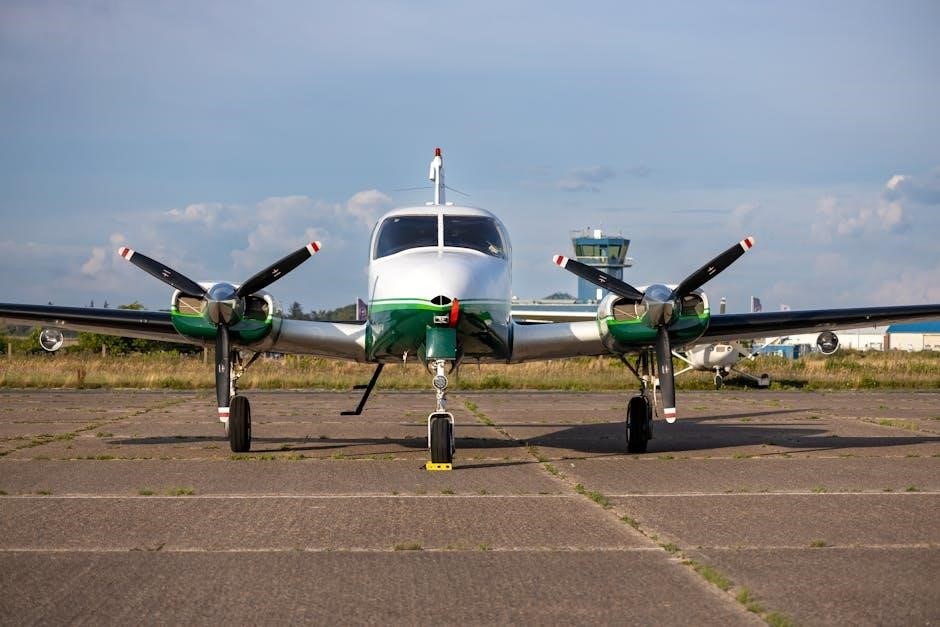
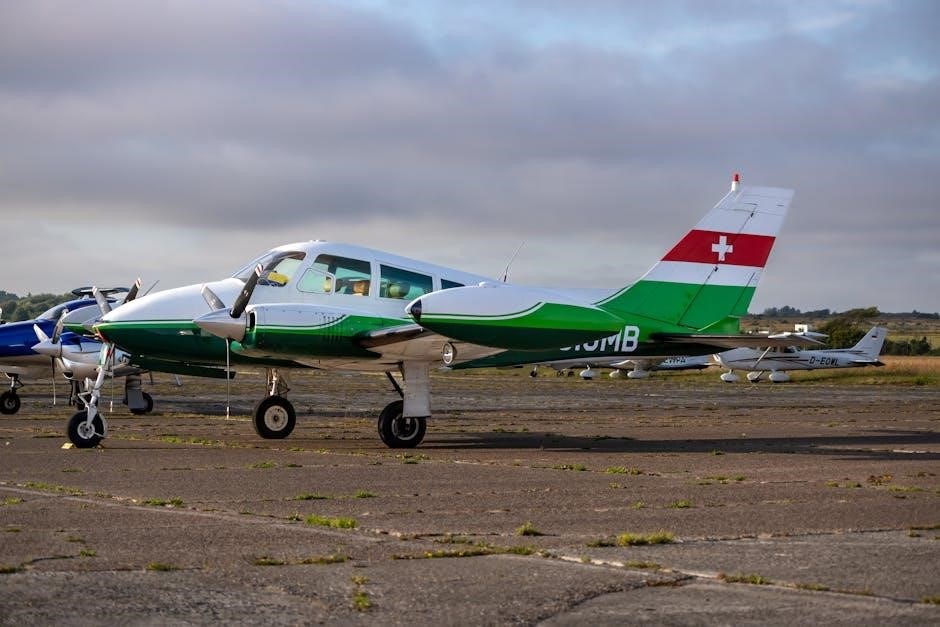
The Cessna 310 is a popular, all-metal, low-wing, twin-engine piston aircraft renowned for its speed, range, and payload capacity; First introduced in 1958, it has undergone several iterations, becoming a staple for both personal and business travel. This aircraft’s robust design and relatively simple systems contribute to its enduring appeal.
Understanding the intricacies of the Cessna 310 requires a dedicated service manual, mirroring the complexities found in automated loan processing systems – data entry, credit checks, and underwriting. Like streamlining financial risk assessment, this manual provides detailed guidance for maintaining airworthiness. Proper maintenance, akin to efficient document management, is crucial for safe and reliable operation. The 310’s longevity is a testament to diligent upkeep and adherence to recommended procedures.
Scope of the Service Manual
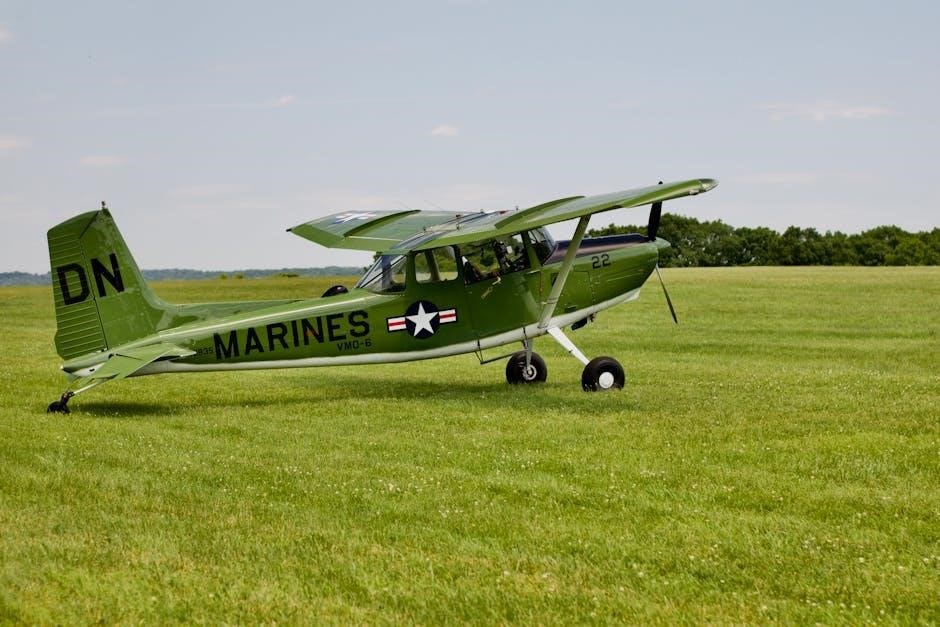
This Cessna 310 Service Manual encompasses all facets of aircraft maintenance, mirroring the end-to-end lifecycle automation seen in modern loan processing. It details procedures for routine inspections, component overhauls, and structural repairs, ensuring compliance with aviation regulations. Like automated underwriting systems, it aims for precision and efficiency.
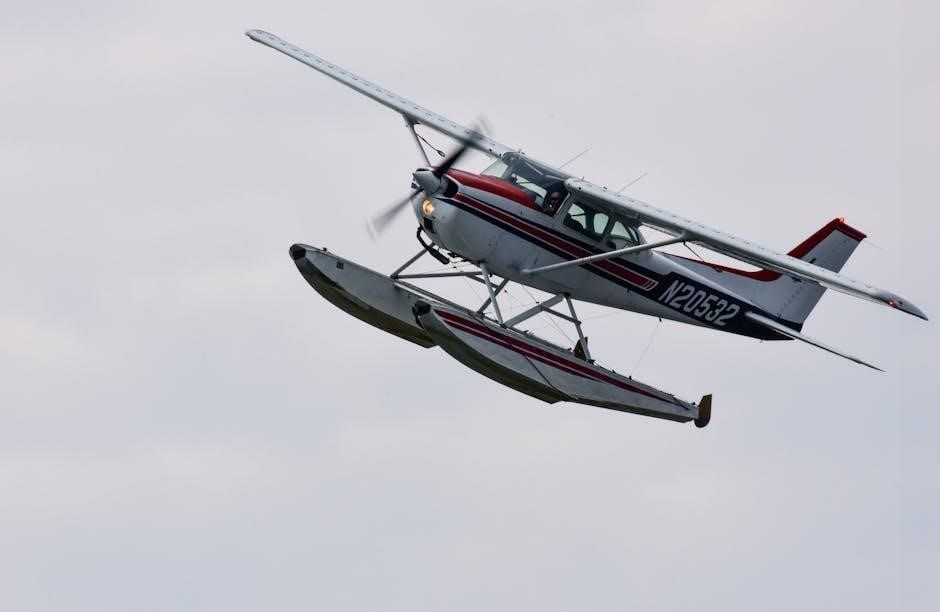
The manual covers engine specifications (Continental O-300), airframe integrity, and all installed systems – electrical, hydraulic, fuel, and flight controls. It also addresses avionics calibration and troubleshooting, similar to the multi-doc analysis in lending. Furthermore, it provides essential operational considerations, including pre-flight checklists, weight and balance calculations, and emergency procedures. This manual is designed to be a comprehensive resource for mechanics, owners, and operators, promoting safety and longevity.
Engine Maintenance
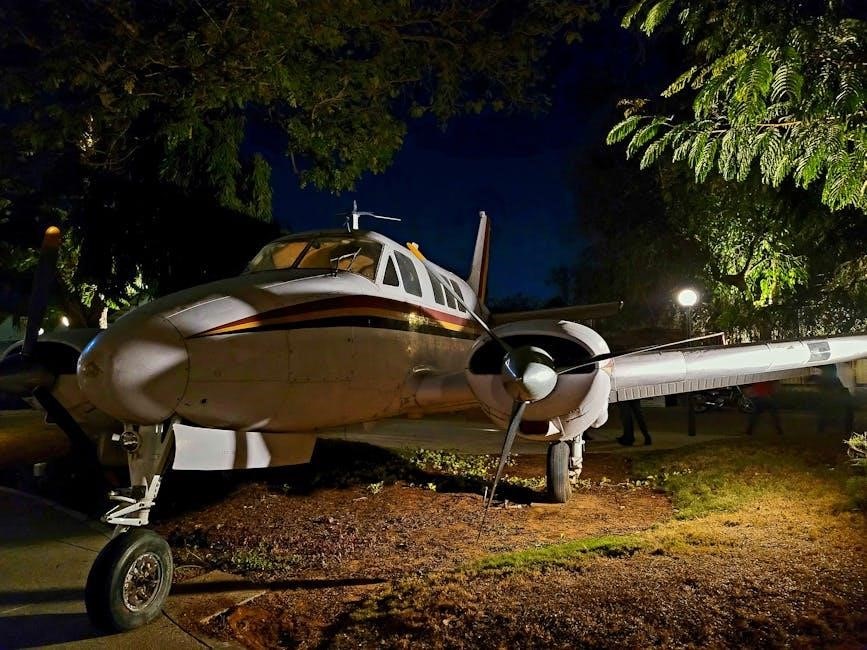
Detailed procedures for the Continental O-300 engine are provided, focusing on inspections, oil changes, spark plug servicing, and overhaul considerations for sustained reliability.
Continental O-300 Engine Specifications
The Continental O-300, a mainstay of the Cessna 310, boasts several key specifications crucial for maintenance and operation. This air-cooled, six-cylinder, horizontally opposed engine typically delivers 145 horsepower. Its bore measures 3.875 inches, with a stroke of 3.5 inches, resulting in a displacement of 300 cubic inches.
Compression ratio is generally 6.5:1, requiring 80/87 aviation gasoline. The engine’s dry weight approximates 290 pounds. Oil capacity is around 8 quarts, utilizing a specific grade of aviation oil. Ignition utilizes two magnetos, ensuring redundancy. Proper understanding of these specifications is paramount for accurate inspections, troubleshooting, and maintaining optimal engine performance, mirroring the precision needed in automated loan underwriting systems.
Routine Engine Inspections
Regular engine inspections are vital for Cessna 310 reliability, mirroring the thoroughness of commercial loan underwriting software. These inspections, typically performed every 50-100 hours, include a detailed examination of the oil level and condition, checking for metal debris. Magnetos should be inspected for proper operation and security of connections.
Fuel lines and connections require scrutiny for leaks or deterioration. Cylinder compression checks are essential, alongside a visual inspection of cylinders for cracks or damage. Proper function of the carburetor and fuel pump must be verified. These routine checks, like automated underwriting with multi-doc analysis, proactively identify potential issues, preventing costly repairs and ensuring continued safe flight operations.
Oil Change Procedures
Proper oil changes are fundamental to Continental O-300 engine longevity, akin to the seamless loan lifecycle automation offered by modern platforms. Begin by warming the engine to operating temperature to ensure complete oil drainage. Remove the oil drain plug, allowing the oil to fully drain into a suitable container. Replace the oil filter with a new one, lubricating the gasket before installation.
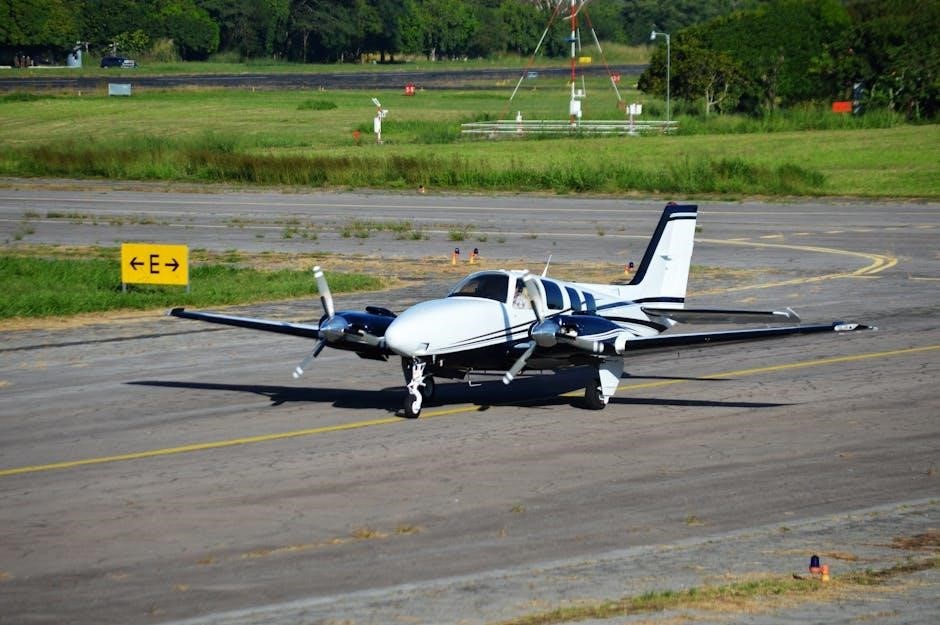
Reinstall the drain plug with a new crush washer, tightening to the specified torque. Add the recommended oil quantity (refer to engine specifications) through the oil filler cap. Check the oil level with the dipstick, ensuring it falls within the acceptable range. Run the engine briefly and recheck for leaks. Document the oil change in the aircraft’s maintenance logbook, mirroring the detailed records kept in loan origination systems.
Spark Plug Maintenance
Regular spark plug inspection and maintenance are crucial for optimal engine performance, much like automated underwriting systems ensure accurate risk assessment. Remove spark plugs periodically for inspection, checking for wear, fouling, or damage. Clean electrodes with a spark plug cleaner, or replace if necessary – mirroring the need for updated data in loan document management.
Ensure correct gap settings using a feeler gauge, adhering to Continental O-300 specifications. Apply a small amount of anti-seize compound to the threads before reinstallation, tightening to the specified torque. Inspect spark plug wires for damage or deterioration, replacing as needed. Proper spark plug maintenance contributes to efficient combustion and reduced emissions, similar to how streamlined processes improve lending outcomes.
Engine Overhaul Considerations
Engine overhaul is a significant undertaking, comparable to implementing a new loan origination software system. Consider overhaul when time-since-major-overhaul (TSMO) approaches limits, or if recurring issues indicate internal wear – much like identifying risks in corporate loan underwriting. A thorough inspection reveals cylinder wear, crankshaft condition, and valve guide integrity.
Overhaul involves disassembling the engine, cleaning components, and replacing worn parts. Balancing rotating assemblies and precise reassembly are critical. Utilize qualified technicians and approved parts, mirroring the need for expertise in automated underwriting. Post-overhaul, a break-in period with specific operating parameters is essential. Proper overhaul restores engine performance and extends its service life, ensuring reliable operation, similar to scalable lending platforms.
Airframe Maintenance
Maintaining the Cessna 310’s airframe involves meticulous inspections, corrosion control, and structural repairs, mirroring the detailed risk assessment in loan document management.
Corrosion Prevention and Control
Corrosion is a significant concern for the Cessna 310, particularly in coastal or humid environments. This section details preventative measures and control techniques crucial for airframe longevity. Regular inspections are paramount, focusing on areas prone to corrosion, such as wing spars, fuselage joints, and landing gear components.
Cleaning procedures utilizing appropriate solvents and corrosion inhibitors are outlined, alongside detailed guidance on applying protective coatings. Damage assessments, including pit depth measurements and structural analysis, are covered. Repair procedures, ranging from localized treatment to component replacement, are thoroughly explained.
Emphasis is placed on utilizing approved materials and adhering to strict quality control standards, similar to the precision required in automated underwriting systems. Proper documentation of all corrosion control activities is essential for maintaining airworthiness and tracking long-term trends, ensuring continued safe operation.
Wing Inspection and Repair
Thorough wing inspections are critical for Cessna 310 safety, focusing on structural integrity and aerodynamic efficiency. This section details procedures for examining wing skins, spars, ribs, and control surfaces. Inspections include visual checks for cracks, dents, corrosion (as detailed elsewhere), and fabric condition where applicable.
Non-destructive testing methods, such as eddy current and ultrasonic inspection, are outlined for detecting hidden damage. Repair procedures cover a range of issues, from minor skin repairs to spar cap replacements, mirroring the detailed analysis found in loan underwriting systems.
Approved repair schemes, material specifications, and tooling requirements are meticulously documented. Emphasis is placed on maintaining wing alignment and balance during repairs, ensuring proper flight characteristics. Detailed diagrams and illustrations aid in accurate assessment and repair execution, vital for continued airworthiness.
Fuselage Structural Inspections
Detailed inspections of the Cessna 310 fuselage are paramount for maintaining structural integrity, akin to the rigorous risk assessment in loan underwriting. This section outlines procedures for examining the fuselage skin, longerons, bulkheads, and door frames for signs of damage, corrosion, or fatigue. Visual inspections are supplemented by non-destructive testing methods, like eddy current, to detect hidden flaws.
Specific attention is given to areas prone to stress concentration, such as window and door cutouts, and attachment points for wings and tail surfaces. Repair procedures cover a range of issues, from skin patching to bulkhead reinforcement, mirroring the adaptability of modern loan origination software.
Approved repair schemes, material specifications, and tooling requirements are clearly defined. Maintaining proper fuselage alignment and dimensional accuracy during repairs is crucial for flight safety and performance.
Landing Gear Maintenance
Proper maintenance of the Cessna 310’s landing gear is critical for safe operation, much like automated loan processing ensures accuracy. This section details inspection, servicing, and overhaul procedures for the main and nose landing gear assemblies. Inspections cover components like struts, wheels, brakes, tires, and retraction mechanisms, seeking damage or wear similar to document analysis in underwriting.
Specific attention is paid to hydraulic lines, fittings, and actuators, ensuring leak-free operation. Brake system maintenance includes pad replacement, fluid flushing, and bleed procedures. Tire maintenance covers inflation, wear assessment, and replacement guidelines.
Overhaul procedures detail disassembly, inspection, component replacement, and reassembly, adhering to strict tolerances. Lubrication schedules and approved fluid specifications are provided, ensuring smooth and reliable gear operation, comparable to scalable lending hubs.
Systems Maintenance
This section provides detailed procedures for servicing the Cessna 310’s vital systems, mirroring automated underwriting’s precision and efficiency in financial risk assessment.
Electrical System Troubleshooting
Diagnosing electrical faults in the Cessna 310 requires a systematic approach, much like automated loan processing systems that pinpoint data discrepancies. Begin with a visual inspection of the entire wiring harness, checking for loose connections, corrosion, and damaged insulation. Utilize a multimeter to verify voltage drops and continuity across circuits.
Pay close attention to the master switch, battery connections, and circuit breakers. A common issue involves faulty circuit breakers, which can be identified using a breaker check tool. Remember to consult the wiring diagram schematic for accurate component locations and circuit paths. Troubleshooting avionics requires specialized knowledge and equipment; refer to the avionics manufacturer’s documentation.
Always disconnect the battery before performing any electrical work to prevent accidental shorts. Employing a methodical process, similar to underwriting’s risk analysis, ensures accurate fault isolation and repair.
Hydraulic System Service
The Cessna 310’s hydraulic system, powering the landing gear and brakes, demands meticulous service. Regular inspections are crucial, mirroring the thoroughness of automated underwriting systems assessing loan applications. Begin by checking the hydraulic fluid level and condition; it should be clean and free of contaminants. Inspect all hydraulic lines and fittings for leaks or damage, replacing components as needed.
Bleeding the hydraulic system is essential after any maintenance or if air has entered the lines. Follow the manufacturer’s procedures precisely to ensure proper brake and gear operation. Pay close attention to the hydraulic pump, checking for unusual noises or pressure fluctuations.
Like loan origination software handling complex data, proper hydraulic system maintenance ensures reliable performance and safety. Always use the specified hydraulic fluid type and adhere to recommended service intervals.
Fuel System Inspection and Cleaning
Maintaining the Cessna 310’s fuel system is paramount for safe and reliable flight, akin to the precision required in automated underwriting for loan approvals. Begin with a thorough visual inspection of all fuel lines, tanks, and connections, checking for leaks, cracks, or corrosion. Drain any accumulated water and sediment from the fuel tanks – a critical step often overlooked.
Inspect the fuel filters, replacing them according to the recommended schedule. Clean the fuel screens and fuel quantity transmitters to ensure accurate readings. Verify proper operation of the fuel pumps and fuel selector valve.
Like a plug-and-play lending hub, a clean fuel system ensures consistent engine performance. Regular cleaning and inspection prevent contamination and maintain optimal fuel delivery, mirroring the benefits of end-to-end loan lifecycle automation.
Flight Control System Checks
Rigorous checks of the Cessna 310’s flight control system are essential for maintaining precise aircraft handling, much like the configurable underwriting needed for diverse loan products. Begin by inspecting control surfaces – ailerons, elevator, and rudder – for freedom of movement and any signs of damage or wear. Check control cables and pulleys for proper tension, lubrication, and secure attachment.
Verify full and correct travel in both directions for each control surface. Inspect the control wheel and rudder pedals for smooth operation and proper centering. Examine the autopilot disconnect mechanisms to ensure they function correctly.
These checks, similar to automated underwriting with multi-doc analysis, contribute to better customer decisions – in this case, pilot confidence and safety. Regular maintenance prevents control issues and ensures responsive handling.
Avionics and Instruments
This section covers calibration, testing, and maintenance of all avionics and instruments, mirroring the scalability of a modern lending platform.
Navigation System Calibration
Accurate navigation system calibration is paramount for safe and efficient flight operations in the Cessna 310. This procedure ensures the reliability of all installed navigational aids, including the VHF Omnidirectional Range (VOR), Automatic Direction Finder (ADF), and Global Positioning System (GPS). Regular calibration, typically every 365 days or after instrument work, minimizes signal drift and maximizes positional accuracy.
The process involves comparing indicated values against known frequencies and positions, adjusting as necessary. Utilizing certified ground reference points and approved test equipment is crucial. Detailed step-by-step instructions, specific to each system installed in the aircraft, are outlined within this manual. Proper calibration, much like automated underwriting, reduces risk and improves decision-making. Remember to document all adjustments and maintain detailed records for compliance and future reference.
Transponder Testing and Repair
The transponder is a critical component of the Cessna 310’s avionics suite, essential for air traffic control identification and collision avoidance. Regular testing, as mandated by aviation regulations, verifies its functionality. This includes verifying Mode A/C code transmission, altitude reporting accuracy, and proper response to interrogation signals. Automated systems, similar to loan origination software, demand consistent checks.
Troubleshooting procedures detailed in this manual cover common issues like weak signal output, incorrect code display, and failure to respond. Repair procedures should only be undertaken by qualified avionics technicians, utilizing approved parts and tools. Calibration after repair is vital. Like document management, accurate transponder function is non-negotiable. Detailed schematics and wiring diagrams are included to aid in diagnosis and repair, ensuring continued safe operation and regulatory compliance.
Autopilot System Maintenance
The Cessna 310’s autopilot system significantly reduces pilot workload, particularly on longer flights. This section details routine maintenance procedures to ensure reliable operation. Regular inspections include checking servo motor functionality, verifying proper engagement and disengagement, and inspecting wiring harnesses for damage or corrosion. Similar to automated underwriting systems, consistent monitoring is key.
Troubleshooting guides address common issues like erratic heading hold, altitude deviations, and failure to track programmed flight paths. Calibration procedures are outlined to maintain accuracy. Component replacement should be performed by certified technicians using approved parts. Like loan lifecycle automation, the autopilot requires a seamless, end-to-end operational check. Detailed diagrams and flowcharts assist in diagnosis and repair, maximizing system availability and enhancing flight safety.
Operational Considerations
Prioritize pre-flight checks, weight and balance calculations, and emergency procedure reviews for safe Cessna 310 operation, mirroring the precision of automated loan processing.
Pre-Flight Inspection Checklist
A thorough pre-flight inspection is paramount for safe Cessna 310 operation. Begin with a visual check of the airframe for any structural damage, corrosion, or loose components, similar to verifying data integrity in automated underwriting systems. Inspect control surfaces – ailerons, elevator, and rudder – for freedom of movement and security of attachments.
Next, meticulously examine the engine, checking oil levels, coolant, and fuel quantity. Verify proper functioning of lights, flaps, and landing gear. Don’t forget the fuel system, ensuring no leaks and proper fuel grade. Confirm the avionics are operational, including navigation and communication systems.
Finally, review weight and balance calculations to ensure the aircraft is within limits. This detailed checklist, executed diligently, mirrors the comprehensive risk assessment found in modern loan origination software, guaranteeing a safe and efficient flight.
Weight and Balance Calculations
Accurate weight and balance calculations are critical for Cessna 310 flight safety and performance. These calculations determine the aircraft’s center of gravity (CG), impacting stability and control, much like underwriting assesses financial risk. Begin by determining the empty weight and CG location from the aircraft’s weight and balance report.
Next, add the weight of all items loaded into the aircraft – passengers, baggage, and fuel. Ensure each item’s weight is accurately recorded and its location within the aircraft is known. Recalculate the total weight and CG location using the provided formulas in the service manual.
Verify the calculated CG falls within the allowable limits specified by the aircraft’s flight manual. Similar to automated loan processing, exceeding these limits can lead to operational issues and potential hazards. Proper weight and balance ensures optimal handling characteristics.
Emergency Procedures Review
This section details critical emergency procedures for the Cessna 310, essential for pilot proficiency and passenger safety, mirroring the risk mitigation of underwriting. Review procedures for engine failure, electrical malfunctions, and fire in flight. Understand the immediate actions required, utilizing checklists provided in the service manual.
Practice simulated emergencies during flight training to build muscle memory and confidence. Familiarize yourself with the location and operation of emergency equipment, such as fire extinguishers and emergency exits.
Know the procedures for forced landings, including site selection and preparation. Like automated systems handling loan lifecycles, swift and correct action is paramount. Regularly review and update your knowledge of emergency procedures to ensure preparedness for any unforeseen event, enhancing overall flight safety.