mystical passion spirituality and sensuality pdf
Overview of Mystical Passion in Spirituality

In discourse‚ the term “mystical passion” refers to the intense‚ often sensual communion believers claim with the divine‚ as highlighted in Cardinal Fernández’s rediscovered PDF. The text frames saints’ ecstatic encounters—Teresa’s prolonged dryness‚ Therese’s tender joy—as models of spiritual and sensual union.

Historical Roots of Mystical Passion Literature
Early Christian mystics‚ like John of the Cross‚ hinted at sensual metaphors for divine love. Later‚ 20th‑century works‚ notably Cardinal Fernández’s PDF‚ re‑examine these themes‚ blending theology with erotic imagery to challenge traditional boundaries!!
Early Christian Mystics and Sensuality
In the nascent centuries of Christianity‚ mystics employed sensual imagery to articulate the ineffable encounter with the divine. Augustine of Hippo‚ in his “Confessions‚” described the soul’s longing for God as a yearning that “burns like a flame” and “trembles with desire;” John the Evangelist‚ in the “Song of Songs‚” used erotic diction to mirror the soul’s intimate dialogue with the beloved. The Desert Fathers‚ such as Evagrius Ponticus‚ spoke of the “beatific vision” as a vision that “stirs the heart and awakens the senses.” These early voices‚ while cautious‚ hinted at a profound union that transcended mere intellectual assent‚ suggesting that the divine could be approached through the full spectrum of human experience‚ including the body’s sensations and the heart’s ardor. Their writings laid a foundational framework that later mystics would expand upon‚ demonstrating that the path to God could be paved with both contemplation and a reverent acknowledgment of the body’s role in spiritual communion.
The Desert Fathers’ contemplative practices‚ such as the nocturnal vigils of St. John Cassian‚ often employed bodily silence to heighten spiritual perception‚ suggesting that the body’s stillness could amplify divine intimacy. Likewise‚ the mystic poet St. John of the Cross described the soul’s longing as a “craving of the flesh” for the divine‚ intertwining physical yearning with spiritual desire. These narratives underscore that early mysticism embraced body as a conduit for divine union!

Key Figures: Teresa of Ávila and Therese of Lisieux
Teresa’s “Interior Castle” depicts ecstatic love‚ while Therese’s “Story of a Soul” shows quiet passion. Both illustrate how mystical union can manifest as sensual devotion‚ blending fervor with humility‚ and inspiring believers to seek divine intimacy through disciplined prayer and heartfelt longing.
Teresa’s Experience of Ecstatic Love
Teresa of Ávila’s mystic writings‚ especially the “Interior Castle‚” portray a profound‚ almost sensual communion with the divine that many scholars interpret as ecstatic love. In her account‚ the soul’s journey through the seven mansions culminates in a “flood of love” that overwhelms the heart‚ a state she describes with vivid‚ almost erotic imagery. She speaks of the “mystical marriage” as a union that transcends ordinary desire‚ yet remains rooted in a deep‚ bodily longing for God’s presence. The text records moments where Teresa feels a “throbbing” in her chest‚ a “burning” that is both spiritual and physical. Her language of “soul’s longing” and “inner fire” suggests that the experience is not merely intellectual but engages the entire person‚ including the senses. Scholars note that Teresa’s descriptions echo the medieval concept of “love of the soul‚” where the beloved’s touch is felt through the heart. The ecstatic episodes‚ she writes‚ are not random but arise after rigorous ascetic practice‚ indicating that the soul’s purification allows the divine love to manifest in a form that feels both holy and intensely personal. In the final chapters‚ Teresa recounts a vision where she is “wrapped in a veil of light” and hears a voice that calls her name‚ a moment she describes as the ultimate consummation of love‚ a “kiss of the divine.” This portrayal invites readers to consider how mystical passion can be both transcendent and sensorial‚ challenging the boundary between spiritual devotion and sensual experience. Her mystic language invites deeper communion‚ quiet.
Therese’s Quiet Passion and Final Transfiguration
Therese of Lisieux‚ known for her “little way‚” presents a subtle yet profound model of mystical passion. Her writings‚ especially the “Story of a Soul‚” emphasize a quiet‚ everyday love for God that transcends grandiose visions. In the final chapters‚ she describes a moment of “overflowing joy” at death‚ when her face “transfigured” and she uttered‚ “I love you‚ oh my God‚ I love you!” This event is interpreted as a final transfiguration‚ a culmination of her lifelong quiet devotion. Unlike Teresa’s intense‚ often sensual experiences‚ Therese’s passion is marked by simplicity and tenderness. She speaks of loving God “in the smallest things‚” a love that “flows from the heart” without dramatic sensory imagery. Yet‚ her final words suggest an ecstatic‚ almost sensual release of love‚ a subtle fusion of the spiritual and the physical. Scholars note that this quiet passion challenges the notion that mysticism must involve dramatic‚ erotic elements; Instead‚ she demonstrates that profound union with the divine can arise from humble‚ everyday acts of love‚ culminating in a gentle‚ transcendent transfiguration that touches both soul and body. Her legacy invites believers to seek a quiet‚ enduring love that‚ while not overtly sensual‚ still reaches the depths of human longing and divine fulfillment.
Therese writes in her diary of warmth in her chest when she prayed‚ calling it “the breath of God.” She notes a hand guiding her thoughts‚ a metaphor. The final transfiguration‚ reported by her confessor‚ was marked by a “radiant glow” that filled the room‚ a sign some see as manifestation. This glow‚ along with her last words‚ created reverence!

Cardinal Fernández’s Rediscovered Publication
PDF uncovers Cardinal Fernández’s 1998 work‚ spotlighting graphic erotic passages on spirituality. In “The Road to Orgasm‚” he implies saints experienced sexual pleasure during mystical unions‚ blending sensuality with divine love and sparking theological debate.
Chapter Analysis: The Road to Orgasm
Cardinal Fernández’s PDF chapter “The Road to Orgasm” presents a theological examination of the sensual dimension of divine union. He argues that saints’ ecstatic experiences can be read as a form of sexual pleasure‚ a metaphor for the soul’s longing for God. The text cites Teresa of Ávila’s long period of dryness followed by intense‚ almost physical‚ encounters with the divine. Fernández describes Teresa’s visions as accompanied by sensations he equates with orgasmic release. The chapter also discusses Therese of Lisieux‚ noting her experience was more tender and less overtly sensual. Fernández claims the saints’ experiences were literal‚ suggesting the divine can be felt through the body. He blends scriptural references‚ mystical writings‚ and his theological reflections to argue that the soul’s yearning for God can be satisfied through a passionate‚ sensual encounter. The chapter concludes with a call for the faithful to seek a similar experience‚ framing it as a path to spiritual fulfillment and deeper communion with God. The text is controversial‚ challenging traditional Catholic teachings on the body‑soul separation‚ and it has sparked debate among theologians and clergy. Critics argue that portraying divine love as a sexual act may undermine the sanctity of sacraments and moral teachings. Supporters claim it offers a new perspective on mysticism‚ encouraging believers to embrace sensuality as part of their spiritual journey. The chapter remains a subject of intense scrutiny and discussion within academic and religious circles. The chapter further examines the psychological implications of such sensual experiences‚ suggesting that the body’s response can serve as a conduit for divine grace. Fernández references Augustine’s notion of the body as a temple‚ arguing that the temple can be opened to a higher‚ erotic love. He also addresses pastoral concerns of guiding the faithful toward a balanced approach‚ warning against excess while encouraging openness. The PDF includes footnotes citing primary sources from the 16th century‚ providing historical context for the saints’ accounts. This scholarly apparatus lends the chapter an academic veneer‚ yet the explicit language remains provocative. The chapter’s reception has been mixed‚ with some scholars praising its boldness‚ while others condemn it as heretical. The debate continues in theological journals and online forums‚ reflecting the enduring tension between mysticism and institutional doctrine. Ultimately‚ the chapter invites readers to reconsider the boundaries between the sacred and the sensual‚ challenging long‑held assumptions about spiritual experience.

Vatican Doctrinal Perspectives on Passionate Union
Official Vatican statements emphasize that mystical passion must align with doctrinal purity. They caution against eroticizing divine love‚ affirming that true union is spiritual‚ not sensual‚ and that any sensual imagery must serve the sanctity of faith. The Church upholds love as pure‚ beyond bodily desire.
Official Statements on Sensuality in Mysticism
The Vatican’s official position on sensuality within mysticism is articulated through a series of pastoral letters‚ encyclicals‚ and statements issued by the Congregation for the Doctrine of the Faith. In 2024‚ a pastoral letter titled “On the Nature of Mystical Love” clarified that while the soul’s longing for God can be described with passionate language‚ it must never be conflated with corporeal desire. The letter cites the example of Saint Teresa of Ávila‚ noting that her “heart’s fire” was a spiritual ardor that‚ though expressed in vivid metaphors‚ remained distinct from physical sensuality. It further emphasizes that any depiction of divine love that borders on eroticism must be contextualized within the broader framework of Christian virtue and the dignity of the human person. The document also references the 1998 publication by Victor Manuel Fernández‚ warning that its graphic interpretations “distort the true nature of mystical experience” and risk leading the faithful into moral confusion. The Vatican’s stance invites believers to seek a holy‚ transcendent love that honors the soul’s yearning while preserving the moral and spiritual integrity demanded by the Church. In sum‚ the Vatican’s guidance invites believers to seek a love that honors the soul’s yearning while preserving the demanded by the Church for all everyone.

Victor Manuel Fernández’s RORATE CÆLI
Published in 1998‚ RORATE CÆLI presents a controversial‚ erotic reinterpretation of mystic saints. Fernández claims the book exposes “sensual union” with God‚ citing Teresa and Therese. Critics argue it distorts tradition‚ while readers find a provocative spiritual lens. deep!
Erotic Interpretations of Mystical Texts
Victor Manuel Fernández’s RORATE CÆLI‚ released in 1998‚ reexamines classic mystic writings through an erotic lens‚ asserting that saints’ ecstatic union with God can be understood as a sensual experience. The PDF claims that Teresa of Ávila’s prolonged spiritual dryness eventually yielded a “deep‚ bodily” communion‚ while Therese of Lisieux’s quiet devotion culminated in a final transfiguration described as a “passionate joy.” Fernández cites the chapter “The Road to Orgasm” from his earlier work‚ arguing that the faithful may seek a similar‚ erotic encounter with the divine. Critics argue that this approach distorts traditional mysticism‚ labeling it blasphemous and pornographic. Supporters‚ however‚ claim it offers a fresh‚ liberated perspective on spiritual intimacy‚ challenging the Church’s conservative stance on sensuality. The text has sparked debate among theologians‚ scholars‚ and lay readers‚ raising questions about the boundaries between sacred devotion and erotic expression. Its provocative stance challenges long‑held norms and invites rigorous debate!
The controversy extends beyond academia; media outlets report graphic passages‚ and the National Catholic Register highlighted alleged erotic content. Fernández’s statements emphasize the sensual dimension as essential to spiritual life. Opponents fear moral laxity; proponents claim the Church’s silence creates a void this work fills. Scholars debate its theological legitimacy versus sensationalism.
Ultimately‚ RORATE CÆLI remains a polarizing text that forces believers to confront the intersection of desire and devotion.

Ethical and Theological Implications
The PDF raises ethical questions‚ sensuality with purity. deep!Critics!! argue it blurs doctrine‚ while proponents claim it liberates devotion. Theological debate centers on whether erotic language enhances or undermines mystical union‚ challenging traditional norms.
Balancing Sensuality and Spiritual Purity
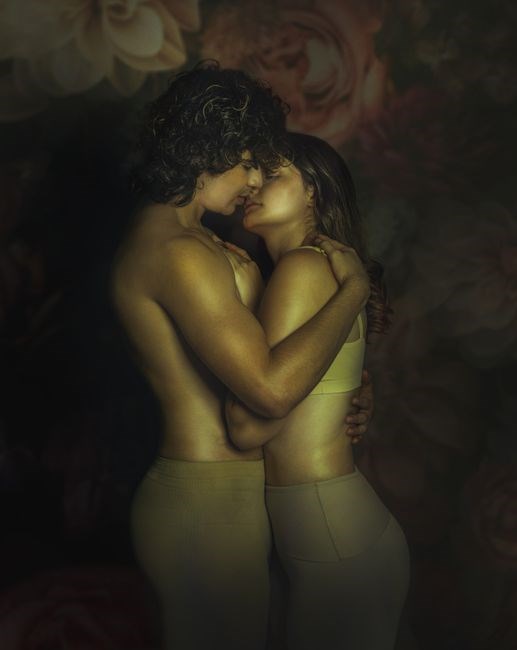
Balancing sensuality and spiritual purity is a central tension in contemporary mystical discourse. The PDF presents a provocative narrative in which saints’ ecstatic encounters are described with erotic nuance‚ challenging the conventional demarcation between sacred longing and carnal desire. Proponents argue that such vivid language can deepen the believer’s sense of intimacy with the divine‚ offering a model where the body becomes a conduit for transcendent experience. Critics‚ however‚ caution that framing mystical union in sensual terms risks conflating spiritual yearning with physical lust‚ potentially undermining the purity of devotion and inviting moral ambiguity. Theological scholars emphasize the necessity of discernment‚ urging that any expression of divine love remain rooted in self‑transcendence rather than self‑indulgence. Ethical frameworks suggest that practitioners should cultivate a reflective posture‚ distinguishing between the inner‚ contemplative joy that the saints reported and the external‚ sensationalized portrayal that may arise in modern retellings. By fostering a disciplined practice of prayer‚ meditation‚ and self‑examination‚ believers can aspire to experience the fullness of divine love while safeguarding the sanctity of their spiritual lives. Ultimately‚ the dialogue between sensuality and purity must be guided by a commitment to authenticity‚ humility‚ and the enduring principles of Christian mysticism. Balanced discourse invites believers to see the body as a vessel for divine grace‚ preserving purity.?!

Contemporary Reception and Scholarly Debate
Since its publication‚ mystical‑passion PDF has sparked responses across theological circles. Some scholars praise its exploration of dimension of love‚ arguing that it revitalizes a neglected aspect. The debate after the Vatican’s chief released a statement clarifying that while faithful may seek passionate encounter with God‚ it must remain within the bounds of sanctity and self‑control. Academic conferences have featured panels that juxtapose traditional mystic writings with PDF’s reinterpretation‚ prompting discussions on hermeneutics‚ role of the body in prayer‚ and the ethics of representation. Critics point to the potential for misinterpretation among lay readers‚ especially given the graphic language employed in chapters such as “The Road to Orgasm.” Proponents counter that the text serves as a catalyst for deeper contemplation‚ encouraging believers to confront their own sensuality as a pathway to divine union. The controversy has led to a surge in scholarly articles‚ book reviews‚ and online forums‚ each dissecting the PDF’s theological implications‚ its alignment with Catholic doctrine‚ and its influence on contemporary spiritual practice. Dialogue remains active‚ with ongoing research aimed at reconciling the text’s provocative content with Church’s emphasis on purity‚ discernment‚ and the transcendent nature of mystical experience. Future scholarship will likely examine how such vivid portrayals influence personal devotion‚ church teaching‚ and dialogue deeply on sacred body. Scholars debate whether portrayals blur sacred boundaries or more deepen devotion today. Scholars debate whether portrayals blur sacred boundaries or more deepen devotion today.