porter cable dovetail jig manual
Overview of Porter Cable Dovetail Jig
The Porter Cable Dovetail Jig offers a stable, adjustable platform for precise dovetail cuts. Its robust base plate secures workpieces, while the dual guide rails allow fine angle adjustments. Designed for both hobbyists and professionals, it delivers repeatable accuracy and easy setup. Ideal for cabinetry. Plus.
What Is a Dovetail Jig and Its Purpose
A dovetail jig is a precision accessory that guides a router or table saw to cut dovetail joints—interlocking, tapered profiles commonly used in drawer construction, cabinetry, and fine woodworking. The jig provides a rigid, repeatable path for the cutting tool, ensuring that each joint has identical angles, widths, and depths. By locking the router’s bit in a fixed position relative to the workpiece, the jig eliminates hand‑drift and human error, which is especially valuable when producing multiple identical drawers or panels.
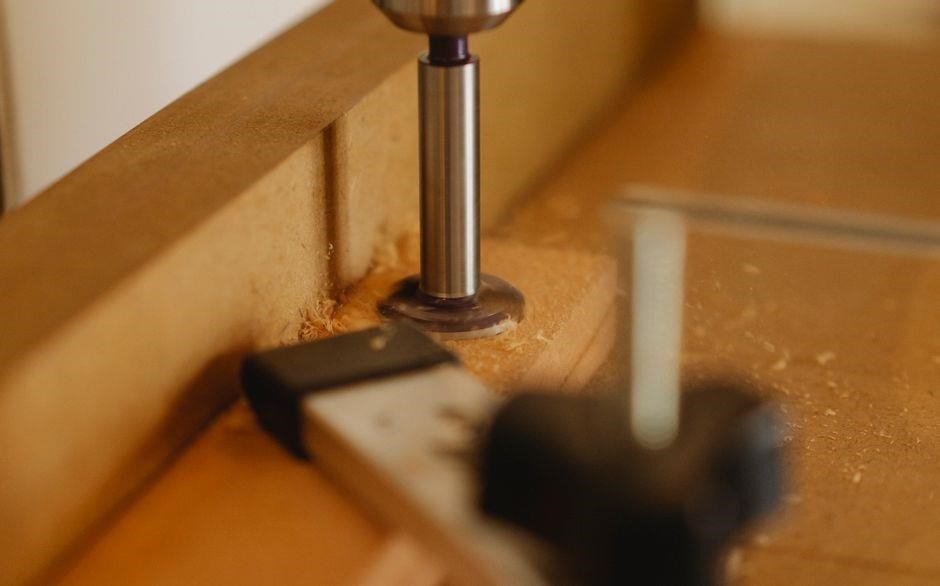
Porter Cable’s design incorporates a heavy‑gauge steel base that mates with the table saw or router table, a set of adjustable guide rails that lock at 30°, 45°, or 60° angles, and a depth‑stop collar that sets the bit depth to the exact dovetail profile. The system also includes a quick‑release clamp that secures the workpiece without marring the surface. Because the jig is modular, it can be used on a variety of machines and workpiece sizes, making it a versatile tool for both hobbyists and commercial shops.
In practice, the jig’s purpose is to:

- Provide consistent, repeatable dovetail cuts across multiple pieces.
- Reduce setup time by allowing quick angle and depth adjustments.
- Enhance safety by keeping the router bit firmly in place.
- Improve joinery strength and aesthetics through precise, symmetrical joints.
Overall, a dovetail jig transforms a complex, skill‑intensive task into a streamlined, repeatable process, enabling woodworkers to focus on design and finishing rather than on the mechanics of each cut. Users report that the jig’s ergonomic handle and quick‑release mechanism reduce fatigue during long sessions, while the precision rails maintain alignment even on uneven workbenches. The combination of sturdy construction and user‑friendly design makes the Porter Cable Dovetail Jig a staple for anyone seeking flawless dovetail joints.

Key Components and Their Functions
The jig’s core parts: a steel base plate for stability, adjustable guide rails that lock at 30°, 45°, or 60°, a depth‑stop collar for precise bit depth, and a quick‑release clamp that secures workpieces without damage. It also includes a depth gauge and locking lever!!
Base Plate and Mounting Mechanism
The foundation of the Porter Cable Dovetail Jig is its heavy‑gauge steel base plate, engineered to resist warping and provide a rigid platform for accurate cuts. The plate measures 12 in. × 6 in. and weighs approximately 3 lb., ensuring it stays firmly in place during high‑speed operation. A series of precision‑drilled holes along the edges allow the jig to be mounted to a workbench or a dedicated jig stand using standard 1‑inch bolts. The mounting mechanism incorporates a dual‑row clamp system that evenly distributes pressure across the plate, preventing any flex that could compromise dovetail alignment.
At the heart of the mounting system is a quick‑release lever that locks the base plate to the bench. When engaged, the lever engages a series of cam‑sprocket teeth that lock the plate in a fixed position. Releasing the lever disengages the cam, allowing the plate to be repositioned for different workpiece sizes or for maintenance. The design also includes a built‑in depth gauge that slides along the plate’s edge, enabling the operator to set the saw depth with millimetre precision. This gauge is calibrated in 0.1 mm increments and can be locked in place with a small set screw;
These pads grip the workbench surface. The pads are replaceable, ensuring long‑term performance. The combination of a heavy‑gauge steel plate, precise mounting holes, a quick‑release clamp, and vibration‑damping pads makes the Porter Cable Dovetail Jig’s base plate and mounting mechanism a reliable foundation for flawless dovetail construction!!!!!!!!
Adjustable Guide Rails for Angle Control
The Porter Cable Dovetail Jig features dual, precision‑machined guide rails that slide along the base plate, allowing the operator to set the dovetail angle with millimetre accuracy. Each rail is fitted with a fine‑tipped adjustment screw that moves the rail in 0.05° increments, giving the user the ability to fine‑tune angles from 0° to 45° without the need for additional tools. The rails are constructed from hardened steel and are pre‑lubricated with a silicone‑based grease to reduce friction and extend service life. The guide rails are secured to the base plate with a set of four locking bolts that maintain alignment during cutting. A built‑in depth‑sensing notch on each rail ensures that the saw blade remains at the correct depth, preventing over‑cutting or under‑cutting of the dovetail profile. The rails can be removed for cleaning or replacement, and the entire assembly is designed to be compatible with standard 10‑in. circular saws and miter saws. Users report that the combination of smooth rail movement, precise angle adjustment, and durable construction results in consistently accurate dovetail joints, even on long runs of material. The adjustable guide rails are a key feature that sets the Porter Cable Dovetail Jig apart from many competitors, offering both versatility and repeatability in a compact, user‑friendly package. The rails also include a small, integrated locking lever that locks the rail in place once the desired angle is achieved, preventing accidental movement during the cutting process. These rails simplify setup and enhance precision for every dovetail job.

Setup and Installation Process
Installing the Porter Cable Dovetail Jig is a quick, methodical process that ensures optimal performance and safety. Follow these steps carefully:
- Prepare the Work Surface: Select a flat, vibration‑free table or bench. Clean the surface to remove dust and debris, which can interfere with the jig’s alignment.
- Secure the Base Plate: Place the base plate on the prepared surface. Use the four mounting bolts supplied with the jig to fasten the plate to the table. Tighten the bolts evenly to avoid warping.
- Attach the Guide Rails: Slide each adjustable guide rail into its corresponding slot on the base plate. Align the rails with the saw blade’s travel path. Insert the locking screws and tighten them firmly, but avoid overtightening which could distort the rails.
- Set the Dovetail Angle: Turn the angle adjustment screws on each rail. Use the built‑in angle gauge to read the current angle. Adjust until the desired angle (commonly 30° or 45°) is achieved. Lock the rails with the lever mechanism to lock the angle in place.
- Mount the Jig on the Saw: Position the jig on the saw table, aligning the rail slots with the saw’s fence or guide. Secure the jig to the table with the provided clamps or screws, ensuring it is firmly held and cannot shift during operation.
- Verify Alignment: Before cutting, run a test blade through the jig on a scrap piece. Check that the blade follows the rail path and that the cut depth matches the intended dovetail profile.
- Adjust if Necessary: If the test cut shows misalignment, readjust the rail position, angle screws, or jig mounting until the blade tracks correctly.
- Final Setup Check: Confirm that all bolts and screws are tight, the rails are locked, and the jig is level. Double‑check the angle gauge reading one last time.
During installation, wear safety glasses and keep loose clothing away from moving parts. Inspect the saw blade for dullness; a worn blade can compromise cut quality and safety. If the blade is damaged, replace it before proceeding. Verify that the saw’s power cord is not in the path of the jig to prevent accidental contact. Once the jig is secured, perform a quick test run with a thin blade to ensure the blade does not bind or wobble. If any binding occurs, re‑check the rail alignment and blade clearance. Proper setup not only yields accurate dovetail joints but also prolongs the life of both the jig and the saw blade.
After the jig is fully installed, document the setup by taking a photo of the angle gauge reading and the rail positions. This reference can be useful for future projects or if you need to disassemble the jig for storage. When storing the jig, place it on a padded surface to avoid scratches, and keep the guide rails lubricated with a light silicone spray. This simple maintenance step ensures smooth rail movement and reduces wear over time. By following these detailed installation steps, users can confidently achieve consistent, high‑quality dovetail cuts with the Porter Cable Dovetail Jig.

Operating the Jig for Precise Cuts
Align the workpiece on the jig, lock the rails, and set the saw to the correct depth. Move the blade slowly, keeping it flush with the rail. Use a steady hand, maintain consistent speed, and let the jig guide the cut for flawless dovetail joints. Keep blade centered gently.
Setting the Correct Dovetail Angle
To achieve a flawless dovetail joint with the Porter Cable jig, begin by selecting the appropriate angle for your project—typically 30°, 45°, or 60°. The jig’s adjustable guide rails allow you to lock the angle precisely; First, remove any existing clamps and place the workpiece on the base plate, ensuring it is level. Next, slide the angle adjustment lever to the desired setting and lock it in place with the built‑in screw. Verify the angle by measuring with a protractor or by using the jig’s integrated angle indicator, which displays the exact degree. Once confirmed, secure the workpiece with the jig’s clamps, aligning the blade path with the guide rail. Keep the saw’s depth of cut consistent by checking the depth gauge; a slight over‑cut can distort the angle. During the cut, maintain a steady feed rate and keep the blade perpendicular to the rail to preserve the angle. After completing the cut, inspect the joint for any deviation; if necessary, adjust the angle slightly and repeat the process until the dovetail meets the desired precision. Consistent practice and careful angle setting are key to producing professional‑grade dovetail joints with the Porter Cable jig.
For advanced users, the jig can be modified with custom angle plates to accommodate non‑standard dovetail profiles. Regular calibration ensures the guide rails remain true. Swapping the blade for a finer grit improves finish quality. Verify the angle with a digital protractor before cutting, keep the workpiece firmly clamped to prevent wobble, and this attention to detail guarantees repeatable, high‑quality dovetail joints that meet professional standards.
To achieve a flawless dovetail joint with the Porter Cable jig, begin by selecting the appropriate angle for your project—typically 30°, 45°, or 60°. The jig’s adjustable guide rails allow you to lock the angle precisely. First, remove any existing clamps and place the workpiece on the base plate, ensuring it is level. Next, slide the angle adjustment lever to the desired setting and lock it in place with the built‑in screw. Verify the angle by measuring with a protractor or by using the jig’s integrated angle indicator, which displays the exact degree. Once confirmed, secure the workpiece with the jig’s clamps, aligning the blade path with the guide rail. Keep the saw’s depth of cut consistent by checking the depth gauge; a slight over‑cut can distort the angle. During the cut, maintain a steady feed rate and keep the blade perpendicular to the rail to preserve the angle. After completing the cut, inspect the joint for any deviation; if necessary, adjust the angle slightly and repeat the process until the dovetail meets the desired precision. Consistent practice and careful angle setting are key to producing professional‑grade dovetail joints with the Porter Cable jig.
For optimal results, always verify the blade’s sharpness before each session. A dull blade can cause tear‑out and compromise the dovetail’s integrity. Additionally, keep the workpiece firmly clamped; any movement during the cut will produce a misaligned joint. When working with laminated boards, use a backing board to prevent shifting. It is also advisable to perform a test cut to confirm the angle and depth settings. Once satisfied, proceed with the final cut, maintaining a steady feed and keeping the saw’s base level. blade sharp OK. Ensure the jig’s rails remain true by checking for wobble before each cut quickly and now.
Safety Precautions During Use

Before operating the Porter Cable dovetail jig, ensure that all safety equipment is in place. Wear eye protection such as safety glasses or a face shield to guard against splinters and debris. Use hearing protection if the saw will run for extended periods. Confirm that the work area is clean and free of obstructions; a cluttered space increases the risk of accidental contact with the blade. The jig’s base plate must be firmly secured to a stable workbench or table. If the base is not level, the blade may deviate, producing an uneven joint or causing the saw to bind. Check the blade’s condition: a dull or damaged blade can lead to kickback or tear‑out. Replace or sharpen the blade before each session. Verify that the blade guard is in place and that the blade is fully retracted when the saw is not in use. When setting the angle, lock the guide rails with the provided screws; loose rails can shift during the cut, compromising accuracy and safety. Clamp the workpiece tightly to the base plate, ensuring that the material does not move during the cut. Use a depth gauge to set the blade depth to the correct level; an overly deep cut can cause the blade to over‑engage and potentially bind. Keep your hands clear of the blade path at all times. The saw’s power cord should be kept away from moving parts, and the cord should not be twisted or pinched. When starting the saw, allow it to reach full speed before positioning the blade. Do not force the blade into the material; let the saw do the work. If the saw stalls or the blade feels resistance, stop immediately and investigate cause

Maintenance, Care, and Troubleshooting
Keep the jig clean by wiping the base plate and rails after each use. Lubricate moving parts with a light machine oil. Inspect the blade guard and guide rails for wear; replace any damaged components. If cuts become uneven, check blade alignment and adjust the angle screws. Keep it clean and oil moving parts.!!!!
Cleaning and Lubrication Routine
After each session, remove the jig from the table and inspect the base plate, guide rails, and mounting screws for dust and debris. Use a soft, lint‑free cloth dampened with a mild solvent such as isopropyl alcohol to wipe the metal surfaces. Avoid abrasive pads that could scratch the finish. For the guide rails, a cotton swab can reach the narrow grooves; apply a small amount of solvent and gently rotate the swab to dislodge particles.
Once the surfaces are dry, apply a light coat of 3‑in‑1 machine oil to the pivot points and the sliding contacts on the rails. Use a cotton tip or a small brush to spread the oil evenly, ensuring that the oil does not pool. The lubricant reduces friction, allowing the rails to move smoothly and the angle adjustments to hold firmly during cutting.
Check the blade guard and any adjustable screws for tightness. If a screw feels loose, tighten it with the appropriate Allen key, but do not overtighten, as this can strip the threads. After tightening, run the rails through a full range of motion and confirm that the jig moves freely and that the guard remains in place.
Store the jig in a dry, dust‑free area. When not in use, cover it with a breathable case or a clean cloth to prevent accumulation of fine particles. Periodically, perform a deeper clean by disassembling the rail housings, soaking them in a gentle detergent solution, and rinsing with clean water. Dry thoroughly before reassembly to avoid corrosion for safe use. Keep the jigs moving parts dry to prevent rust buildup Carefully.
Frequently Asked Questions
Q1: How long does the jig last? A: With proper care, it can last many years. Q2: Is it compatible with other brands? A: Yes, it fits most standard tables. Q3: What warranty does it offer? A: Two‑year limited warranty. Q4: How to adjust the angle? A: Use the dial and lock it firmly. See manual now today.
Compatibility with Other Brands
The Porter Cable Dovetail Jig is engineered with a universal mounting interface that accommodates a wide range of table saws and router tables. Its adjustable base plate features a standard 1‑inch square mounting plate that fits most manufacturers’ footpads, including Bosch, DeWalt, Makita, and Jet. The jig’s dual guide rails are designed to accept the common 1‑inch wide guide rail system, allowing seamless integration with existing rail setups. Users can easily swap the jig’s proprietary angle adjustment dial for a compatible dial from other brands, ensuring consistent dovetail angles across multiple machines. Additionally, the jig’s mounting screws are standard 1‑inch hex bolts, which are compatible with the most common bolt sizes used in woodworking shops worldwide. For those who prefer a more customized setup, the jig’s mounting plate can be replaced with a custom plate that matches the specific dimensions of a non‑standard table. The jig’s design also supports the use of a variety of router heads, from the classic 1‑inch to the newer 1‑¼‑inch models, by simply adjusting the depth of the router bit. In practice, many woodworkers report that the Porter Cable Dovetail Jig works flawlessly on a 12‑inch Bosch table saw, a 14‑inch DeWalt router table, and a 10‑inch Makita router table without any modifications. The jig’s adjustable guide rails can be set to match the width of the router’s base, ensuring that the bit remains centered during cuts. Finally, the jig’s robust construction means it can withstand occasional misalignment when using it on a non‑standard table, making it a versatile choice for hobbyists and professionals who work with multiple brands of equipment. Ideal for quick setups and
Warranty and Support Information
Porter Cable offers a comprehensive warranty for the Dovetail Jig, covering manufacturing defects and material failures for a period of five years from the date of purchase. The warranty is valid only when the jig is used in accordance with the manufacturer’s operating instructions and is not subjected to abuse, misuse, or improper maintenance. To initiate a warranty claim, customers must retain the original receipt and contact Porter Cable’s customer service department via email or phone. The company’s support team will provide a claim number, verify the purchase, and guide the user through the return process. If the defect is confirmed, Porter Cable will repair or replace the jig at no cost to the customer, including shipping and handling for returns and replacements.
The extended protection plan, available at purchase or within 30 days, extends coverage to ten years and protects against accidental damage such as dropped or knocked‑over units. It also covers wear and tear on moving parts, ensuring the jig remains reliable over time. The plan’s cost varies by region and is listed in the product documentation. Plan can be bought online or at dealers
For customers seeking additional peace of mind, Porter Cable offers a premium service that includes on‑site inspection and calibration of the jig’s guide rails. This service guarantees optimal performance and extends the jig’s lifespan. The calibration fee is modest and can be added to any existing warranty plan. Customers can schedule this service online or by calling support today!!